
 English
 Pусский
 Türk dili
 Tiếng Việt
Preço do material de tecido não tecido de fibra de poliéster
Polyester Fiber Nonwoven Fabric Material Price Overview Polyester fiber nonwoven fabric is a versatile and widely used material in various industries, including medical, automotive, construction, and hygiene products. The price of this material is influenced by multiple factors, such as raw material costs, production processes, market demand, and regional economic conditions. Below is a detailed analysis of the key aspects affecting polyester nonwoven fabric pricing. 1. Raw Material Costs The primary component of polyester nonwoven fabric is polyester fiber, derived from petroleum-based polymers. Fluctuations in crude oil prices directly impact the cost of polyester resin, which in turn affects the final price of nonwoven fabric. Additionally, recycled polyester (rPET) is gaining popularity due to sustainability trends, and its price may vary depending on supply chain efficiency and recycling infrastructure. 2. Production Process and Technology Different manufacturing methods, such as spunbond, meltblown, or needle-punching, influence the cost structure. Spunbond nonwoven fabrics, commonly used in hygiene and agriculture, are generally more cost-effective due to high-speed production. In contrast, meltblown fabrics, essential for medical masks and filtration, require specialized equipment and thus command higher prices. Energy consumption and labor costs in production also contribute to pricing variations. 3. Market Demand and Supply Global demand for polyester nonwoven fabrics has surged, particularly in the medical and hygiene sectors post-pandemic. Seasonal demand fluctuations, such as increased need for agricultural covers or insulation materials, can cause temporary price spikes. Supply chain disruptions, trade policies, and geopolitical factors may further influence availability and pricing. 4. Quality and Specifications The price varies based on fabric weight (grams per square meter, GSM), thickness, strength, and additional treatments (e.g., anti-static, flame-retardant, or hydrophilic coatings). Higher GSM fabrics or those with specialized functionalities typically cost more due to enhanced performance requirements. 5. Regional Price Differences Manufacturing hubs in Asia, particularly China and India, often offer competitive pricing due to lower labor and operational costs. In contrast, European and North American markets may have higher prices due to stricter environmental regulations and higher wages. Transportation and import duties also affect landed costs for buyers. 6. Sustainability and Regulatory Factors Eco-friendly certifications (e.g., OEKO-TEX, GRS) or compliance with regional safety standards (e.g., REACH, FDA) may increase production costs, reflecting in higher prices. However, brands prioritizing sustainability are willing to pay a premium for certified materials. Conclusion The price of polyester fiber nonwoven fabric is dynamic, shaped by raw material trends, production complexity, market forces, and regional factors. Buyers should assess their specific requirements, including quality, volume, and compliance needs, to negotiate optimal pricing. As sustainability and technological advancements evolve, pricing structures may continue to shift, emphasizing efficiency and eco-friendly alternatives. (Word count: 500)
Produto
Categoria:
-
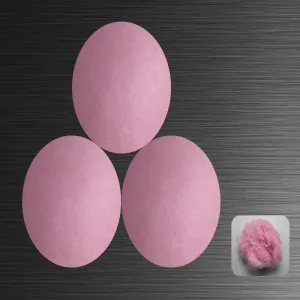
Tecido não tecido de fibra de poliéster
Sua classificação: Tecido não tecido de fibra de poliésterVistas: 17Número:Tempo de liberação: 2025-12-03 09:55:10O tecido não tecido de fibra de poliéster é um material de engenharia de alto desempenho amplamente utilizado em aplicações industriais, comerciais e de consumo. Feito de fibras de poliéster premium (PET), este tecido é produzido usando técnicas avançadas de fabricação de não-tecidos, como ligação térmica, spunbonding e agulhamento. Ao contrário dos têxteis tradicionais tecidos ou de malha, os tecidos não tecidos são formados diretamente a partir de fibras, proporcionando uma estrutura uniforme com excelente resistência mecânica, estabilidade dimensional e espessura consistente.
Notícias
Categoria:
-
[industry news]How Nonwoven Fabrics Are Used for Fire Protection in Electri...
2025-12-28 08:46:49
Caso
Categoria:
Nenhum resultado de pesquisa!
Vídeo
Categoria:
Nenhum resultado de pesquisa!
Download
Categoria:
Nenhum resultado de pesquisa!
Recrutamento
Categoria:
Nenhum resultado de pesquisa!
Produtos recomendados
-
NEWS
Tecido não tecido de fibra de poliéster
Saiba mais



 Telefone