
 English
 Pусский
 Türk dili
 Tiếng Việt
Material de tecido não tecido resistente ao fogo
Fire-Resistant Nonwoven Fabric Material Fire-resistant nonwoven fabric is a specialized material designed to withstand high temperatures, resist ignition, and slow down the spread of flames. It is widely used in industries such as construction, automotive, aerospace, and protective clothing due to its excellent thermal stability and safety features. Unlike traditional woven fabrics, nonwoven fabrics are manufactured by bonding fibers together mechanically, chemically, or thermally, resulting in a lightweight yet durable structure with enhanced fire-resistant properties. Key Characteristics 1. Flame Retardancy – The fabric is treated with flame-retardant chemicals or made from inherently fire-resistant fibers such as aramid, modacrylic, or oxidized polyacrylonitrile (PAN). These materials self-extinguish when exposed to flames, preventing combustion and reducing fire hazards. 2. High Thermal Resistance – The material can endure extreme heat without melting or degrading, making it suitable for applications near heat sources or in high-temperature environments. 3. Low Smoke and Toxicity – High-quality fire-resistant nonwovens produce minimal smoke and toxic fumes when exposed to fire, ensuring safer evacuation and reduced health risks. 4. Lightweight and Flexible – Despite its protective qualities, the fabric remains lightweight and flexible, allowing for easy handling and integration into various products. 5. Durability – The nonwoven structure provides excellent resistance to wear, tear, and chemical exposure, ensuring long-term performance. Applications - Protective Clothing – Used in firefighting suits, industrial workwear, and military uniforms to shield wearers from heat and flames. - Construction and Insulation – Acts as a thermal barrier in buildings, preventing fire spread in walls, ceilings, and HVAC systems. - Automotive and Aerospace – Used in vehicle interiors, aircraft components, and battery insulation to enhance fire safety. - Filtration and Industrial Uses – Employed in high-temperature filtration systems and industrial machinery to prevent fire risks. Manufacturing Process Fire-resistant nonwoven fabrics are produced through processes such as needle-punching, spunbonding, or meltblowing. Flame-retardant additives may be incorporated during fiber formation or applied as coatings. The final product undergoes rigorous testing (e.g., ASTM, EN, or ISO standards) to ensure compliance with fire safety regulations. Conclusion Fire-resistant nonwoven fabric is a critical material for modern safety applications, combining superior flame resistance with versatility and durability. Its ability to protect lives and property makes it indispensable in industries where fire hazards are a concern. Continuous advancements in fiber technology and manufacturing processes further enhance its performance, ensuring its role as a key component in fire prevention and protection systems.
Produto
Categoria:
-
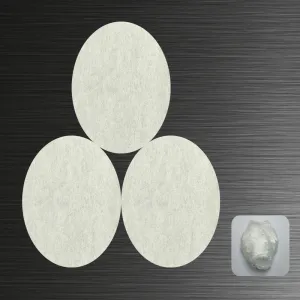
Preço do material de tecido não tecido de fibra de poliéster
Sua classificação: Tecido não tecido elétrico retardador de chamasVistas: 19Número:Tempo de liberação: 2025-12-03 09:55:22O material de tecido não tecido de fibra de poliéster é um tecido versátil e de alto desempenho amplamente utilizado em aplicações industriais, médicas, automotivas, de filtração e de consumo. Ao contrário dos têxteis tecidos ou de malha, os tecidos não tecidos são feitos pela ligação direta das fibras através de processos mecânicos, térmicos ou químicos, resultando num material leve, durável e uniforme.
Notícias
Categoria:
-
[Company News]Quais são os métodos para personalizar a cor dos tecidos não...
2025-12-03 14:04:11
Caso
Categoria:
Nenhum resultado de pesquisa!
Vídeo
Categoria:
Nenhum resultado de pesquisa!
Download
Categoria:
Nenhum resultado de pesquisa!
Recrutamento
Categoria:
Nenhum resultado de pesquisa!
Produtos recomendados
Nenhum resultado de pesquisa!



 Telefone