
 English
 Pусский
 Türk dili
 Tiếng Việt
Fabricante de tecido não tecido elétrico
Electrical Nonwoven Fabric Manufacturer Electrical nonwoven fabrics are specialized materials designed for applications in electrical insulation, filtration, and other industrial uses. These fabrics are engineered to provide high dielectric strength, thermal resistance, and mechanical durability, making them essential in industries such as power generation, automotive, electronics, and aerospace. Key Features of Electrical Nonwoven Fabrics 1. High Dielectric Strength – These fabrics are designed to withstand high voltages, preventing electrical breakdown in critical applications. 2. Thermal Stability – They offer excellent resistance to heat, ensuring performance in high-temperature environments. 3. Chemical Resistance – Many electrical nonwoven fabrics are treated to resist oils, solvents, and other corrosive substances. 4. Lightweight & Flexible – Despite their durability, they remain lightweight and easy to handle, facilitating efficient manufacturing processes. 5. Customizable Properties – Depending on the application, these fabrics can be engineered with varying thicknesses, densities, and fiber compositions. Manufacturing Process The production of electrical nonwoven fabrics involves several key steps: - Fiber Selection – High-performance synthetic fibers such as polyester, aramid, or glass fibers are commonly used. - Web Formation – Fibers are laid into a web using methods like carding, air-laid, or wet-laid processes. - Bonding – The web is bonded through thermal, chemical, or mechanical means to enhance strength and stability. - Finishing Treatments – Additional coatings or treatments may be applied to improve flame retardancy, water resistance, or conductivity. Applications - Insulation Materials – Used in transformers, motors, and cables to prevent electrical leakage. - Battery Separators – Provide safe separation between electrodes in lithium-ion and other battery types. - EMI Shielding – Some fabrics are designed to block electromagnetic interference in sensitive electronic devices. - Filtration Media – Used in industrial filters to remove contaminants while maintaining electrical safety. Advantages Over Traditional Materials Compared to woven fabrics or films, nonwoven electrical fabrics offer better uniformity, cost efficiency, and adaptability. Their porous structure allows for improved breathability and filtration while maintaining electrical insulation properties. Conclusion Electrical nonwoven fabrics play a crucial role in modern industrial applications, offering superior insulation, durability, and customization. Manufacturers continuously innovate to meet evolving industry demands, ensuring these materials remain indispensable in electrical and electronic systems.
Produto
Categoria:
Tecido não tecido elétrico
-
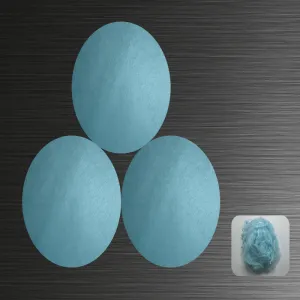
Tecido não tecido elétrico
Sua classificação: Tecido não tecido isolanteVistas: 18Número:Tempo de liberação: 2025-12-03 09:55:15O tecido não tecido elétrico é um material de alto desempenho projetado para isolamento e proteção em aplicações elétricas e eletrônicas. Ao contrário dos tecidos ou malhas, os tecidos não tecidos são criados pela ligação direta das fibras, resultando em uma estrutura uniforme que proporciona excelente resistência mecânica, estabilidade térmica e propriedades dielétricas. Os tecidos elétricos não tecidos são amplamente utilizados em transformadores, motores, geradores, unidades de fonte de alimentação e outros equipamentos de alta tensão onde o isolamento confiável é fundamental.
Notícias
Categoria:
-
[Company News]Quais são as mudanças de desempenho dos não tecidos elétrico...
2025-12-03 14:18:59
Caso
Categoria:
Nenhum resultado de pesquisa!
Vídeo
Categoria:
Nenhum resultado de pesquisa!
Download
Categoria:
Nenhum resultado de pesquisa!
Recrutamento
Categoria:
Nenhum resultado de pesquisa!
Produtos recomendados
-
NEWS
Tecido não tecido elétrico
Saiba mais



 Telefone